Signs It Might Be Time for a New Roof Installation
A roof does not fail all at once. It gives a series of warnings, and catching them early can mean the difference between a straightforward new roof installation and a costly interior repair. The direct answer: you know a roof needs replacing when it shows widespread, active deterioration that compromises its ability to keep water out. That can mean curled or missing shingles, daylight visible through the roof deck, granules collecting in the gutters, or a sagging profile. But the real answer is more nuanced, because every material ages differently, and a roof that looks rough can still have years of life left if the underlying structure is sound.
Start with the material
The lifespan of a roof depends heavily on what it is made of. Asphalt shingles, the most common residential material, typically last between fifteen and twenty-five years. Tile roofing can last fifty years or more, but tiles crack and break from impact or freeze-thaw cycles. Metal roofing, especially standing seam, can last forty to seventy years but suffers from corrosion where the coating wears through. Wood shakes and slate follow their own timelines. Knowing the age of your roof and its expected service life gives you the first clue. If the roof is past its typical lifespan, you should inspect it closely every season.
Visual checks from the ground
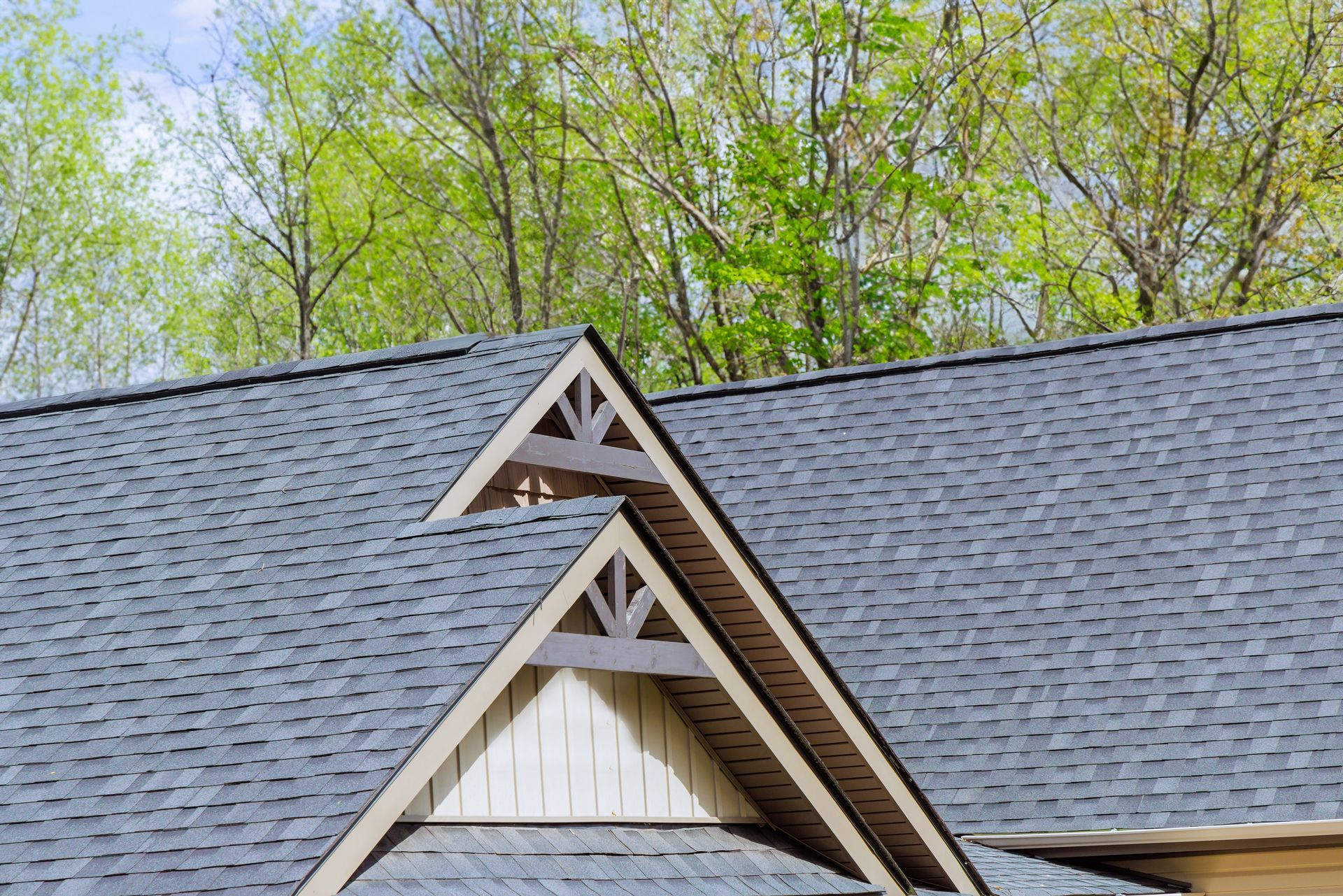
You do not need to climb onto the roof to spot many problems. A good pair of binoculars and a careful walk around the house can reveal a lot. Look for shingles that are curling at the edges, buckling, or missing entirely. If you see shingle granules in the downspout strainers or in the gutters, the protective coating is wearing away, and the shingles are aging fast. On a tile roof, look for cracked, chipped, or slipped tiles. On a metal roof, check for rust spots, especially around fasteners and seams. Also look at the chimney flashings and vent pipe boots. If the sealant around them is cracked or missing, water is getting in.
Inside the attic
The attic tells the truth. On a sunny day, go up there and look for beams of light coming through the roof deck. That is a clear sign that the underlayment or the sheathing has deteriorated. Also check for dark stains, soft spots in the plywood, or mold growth. If the insulation is wet or compressed, moisture has been getting in for a while. Roof ventilation matters here: a properly vented attic helps keep the roof deck dry and extends the life of the shingles. If the attic feels stuffy and the roof deck shows dampness, poor ventilation may be accelerating the roof's decline.
Interior clues
Sometimes the first hint is a water stain on the ceiling or a drip during a heavy rain. But not every leak shows itself quickly. Water can travel along a rafter or a truss and appear far from the actual entry point. Look for peeling paint, bubbling wallpaper, or a musty smell in the rooms directly below the roof. If you notice these signs, the roof has already failed in at least one spot, and a full replacement may be the safest choice rather than chasing one leak after another.
The age factor and multiple repairs
Even a roof that is not actively leaking can be near the end of its service life. If you find yourself calling for repairs every year or two, the cost and hassle add up. Each repair is a patch, and patches on an old roof rarely hold as long as the original material. At some point, a new roof installation becomes the more practical and economical decision. A good rule: if the roof is older than twenty years and has needed more than two repairs in the last five years, it is time to start planning for replacement.
What a professional inspection covers
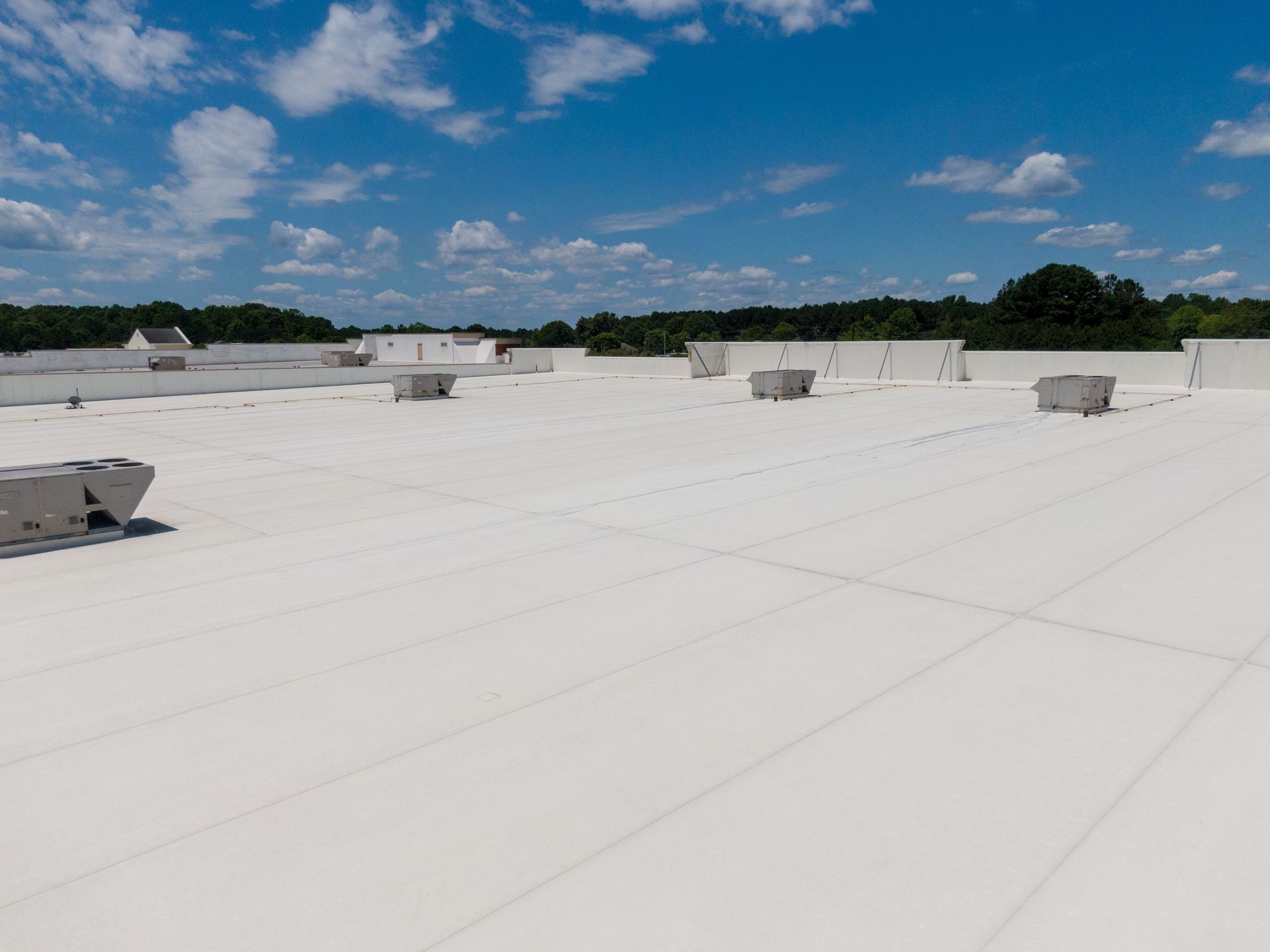
A certified roofer will check several things that a homeowner might miss. They will examine the roof deck for rot or delamination, test the flashings around all penetrations, and assess the condition of the underlayment. They will also look at the drip edge and the fascia. On a tile roof, they will check the condition of the battens and the mortar. On a metal roof, they will look for loose seams and fastener back-out. READY ROOFING, LLC, for example, performs thorough inspections that include these checks. The inspector will give you a clear report on whether the roof has reached the end of its serviceable life or if repairs can extend it a few more years.
Permits and preparation
When you decide on a new roof installation, you will need a building permit from your local jurisdiction. The permit ensures that the work meets current codes for wind uplift, fire resistance, and structural load. The roofer will typically pull the permit, but it is worth confirming that they do. The process also involves a tear off of the old layers down to the deck. Leaving old shingles in place and adding a new layer is sometimes allowed, but it adds weight and hides potential problems. A full tear off gives the crew a chance to inspect and repair the roof deck, replace damaged sheathing, and install proper underlayment and ventilation.
The cost question
No article can give you a price because too many variables come into play: the size and pitch of the roof, the material, the complexity of the design, the local labor market, and the condition of the existing structure. What matters is that you get at least three written estimates from licensed and insured contractors. Compare the scope of work, not just the total number. A low bid might leave out crucial steps like deck repairs or proper ventilation. A high bid might include premium materials that you do not need.
READY ROOFING, LLC is also on LinkedIn.
Timing the replacement
Roofing work is weather-dependent. In Northern Florida, the best windows are typically spring and fall, when temperatures are moderate and rain is less frequent. Summer storms and hurricane season can delay work and cause problems if a partial tear off leaves the structure exposed. Plan ahead so that you are not rushing into a replacement during a crisis. An inspection in the dry season gives you time to budget, choose materials, and schedule the work before the next wet season arrives.

Final thoughts
Knowing when to replace a roof comes down to reading the signs and acting before a small problem becomes a big one. Check the attic, watch for granules in the gutters, and pay attention to how often you are making repairs. A professional inspection can settle the question. For homeowners and commercial property managers in Northern Florida, services like those provided by READY ROOFING, LLC, located at 5105 Philips Hwy Ste 205, Jacksonville, FL 32207, USA, and reachable at +1 904-404-9849, offer residential and commercial roof repairs, replacements, inspections, and storm damage restoration across the region.